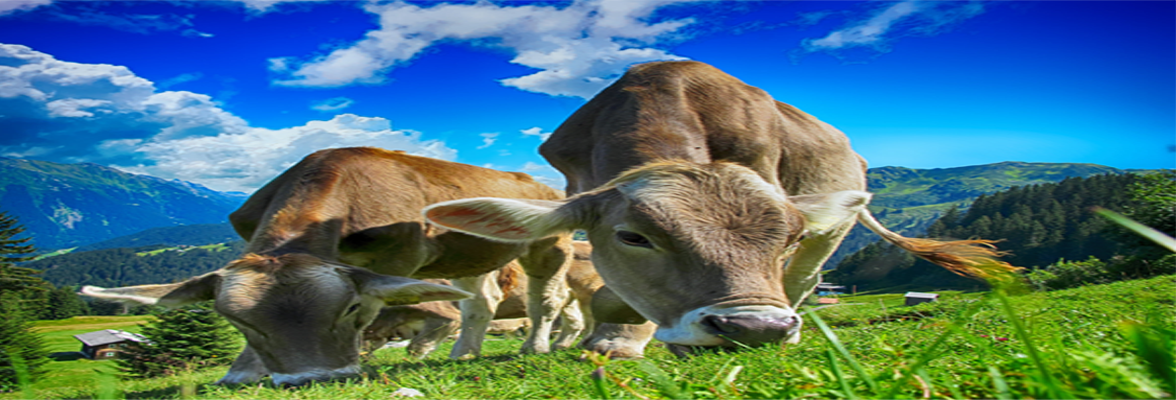
Organic farming made simple
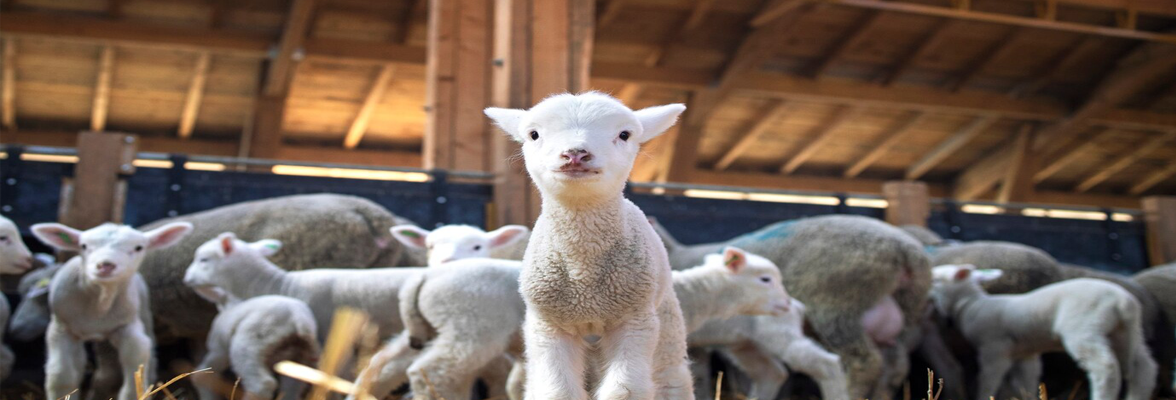
Grow with certified fields
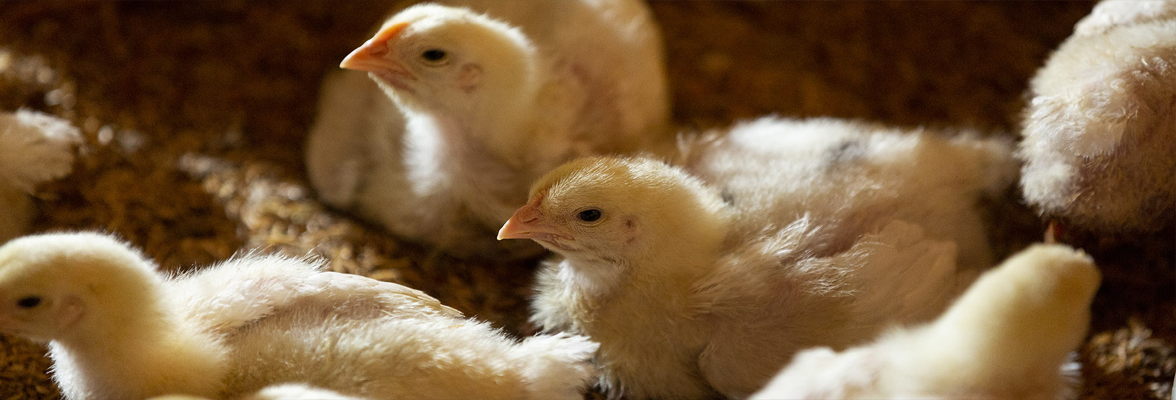
Protect your organic product
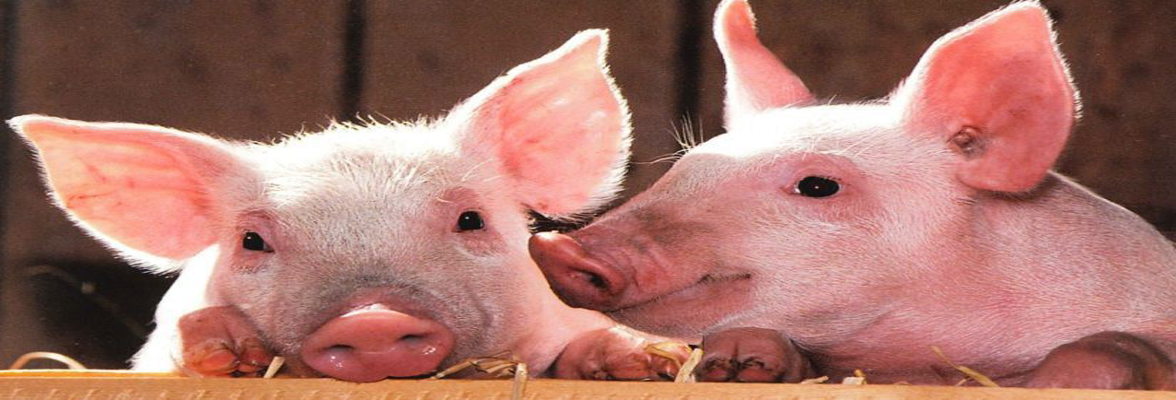
Sell with organic value

Build your farm the organic way
Organic Farming Rules
Organic certification gives your crops and products a special status. Follow the rules below to keep your farm compliant and your goods valuable.

Organic certification basics
Organic farming is optional, but it can be a strong way to increase the value of your crops and products. To join the program, you must meet a few simple rules.
How it works
- Select the field or fields you want to register as organic.
- You may certify one field or all of your fields.
- Only crops grown on officially titled and registered organic land can receive the organic tag.
Field rules
- No chemical fertilizer or herbicide may be used on a certified organic field.
- Organic goods must be stored separately from non-organic goods.
- Mixing organic and non-organic products in private storage is not allowed.
Organic crops can still be sold to a regular factory, but you will only receive normal non-organic prices unless the factory is also certified for organic production.
Certification costs
- Changing a field to organic costs 40K and lasts 180 days of real-life time.
- Organic certification for a factory costs 50K per factory.
- The factory must be 100% empty before it can be certified.
Factory rules
Once a factory is certified organic, it can only accept and produce organic goods. It cannot be used for non-organic production after certification.
Buying and selling organic goods
After sale, organic crops and products keep their organic status and can be traded like any other item in GFSN. They retain their special value and can be bought, sold, or moved between players and factories.
Important notes
- Greenhouse crops do not qualify as organic.
- Organic certification for factories also lasts 180 days.
- Follow the rules closely to protect your organic status and your profits.